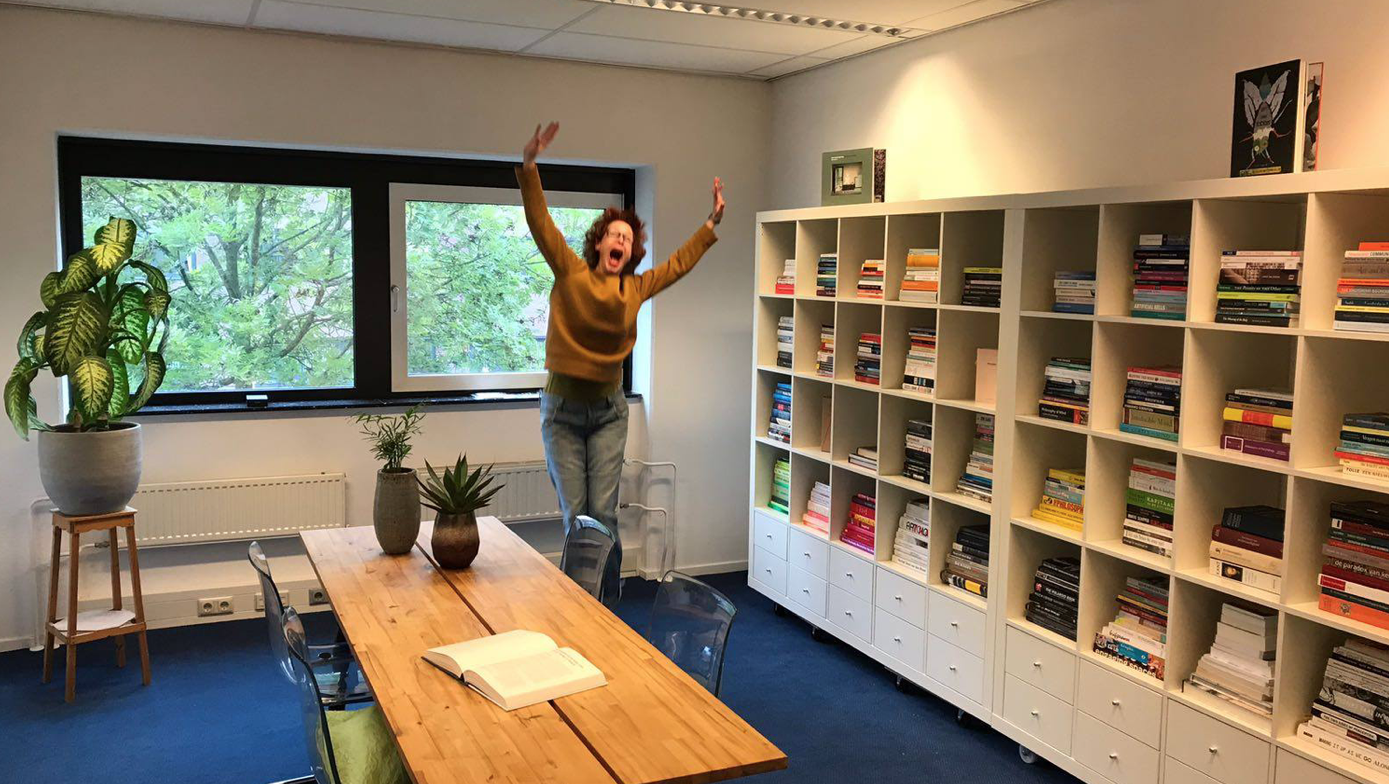
re-collection
reading is radical.
Read the books that no one suggested to you.
study the writers nobody mentioned.
slowly and meticulously.
new to the collection
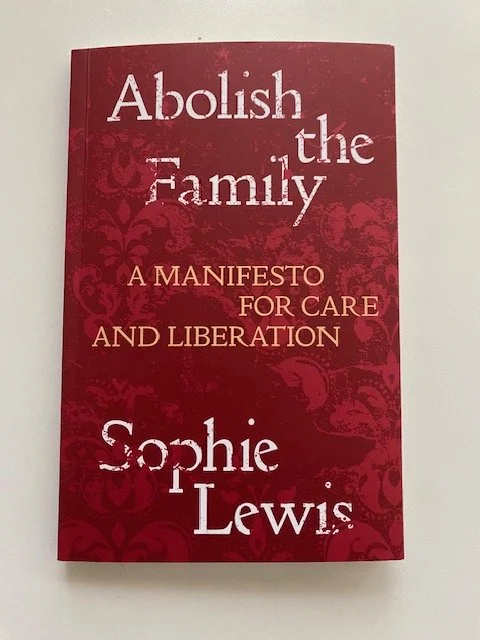
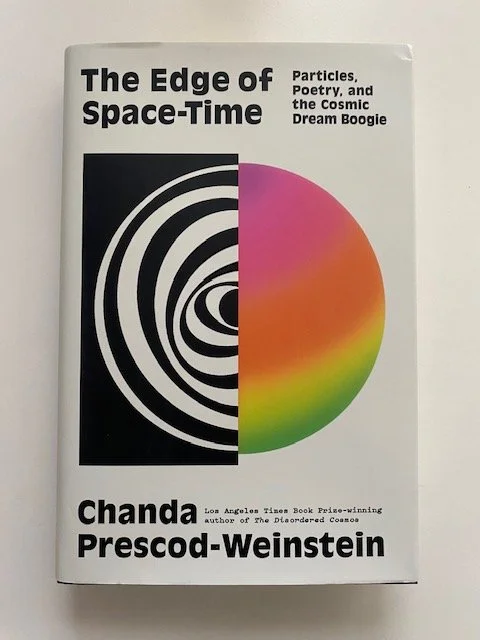
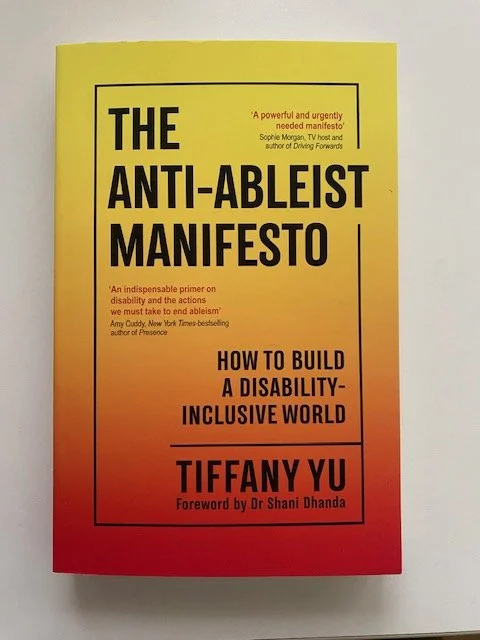
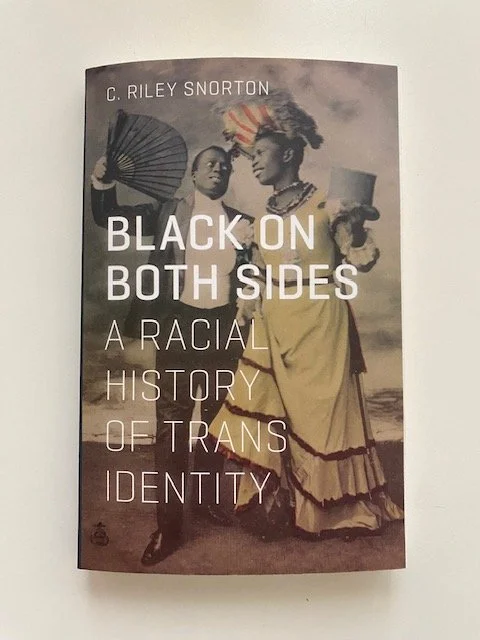
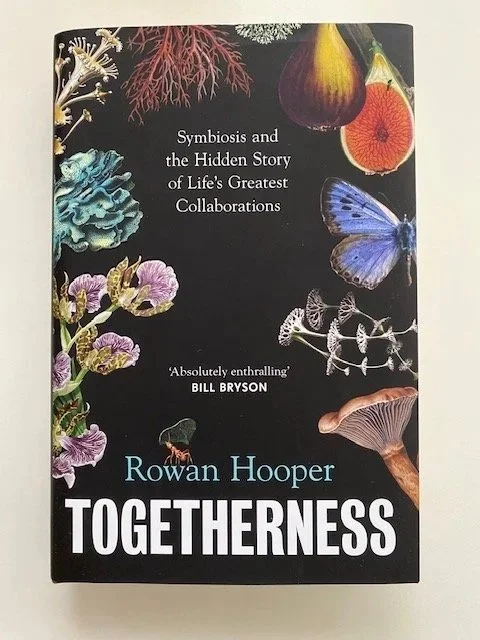
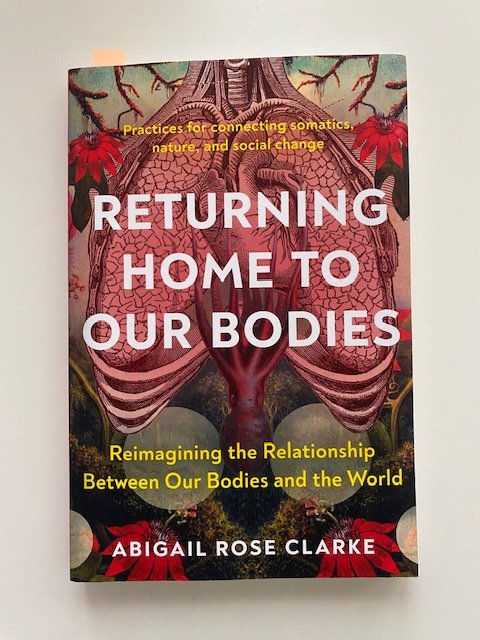

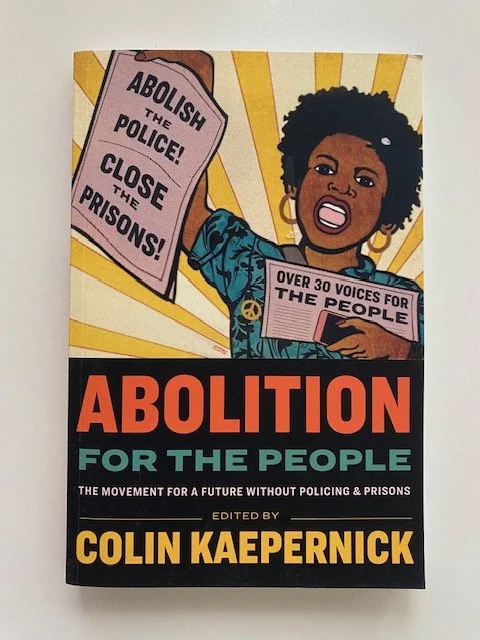
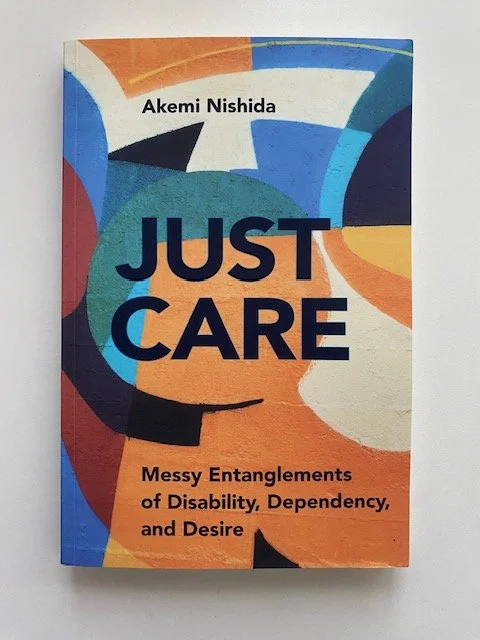
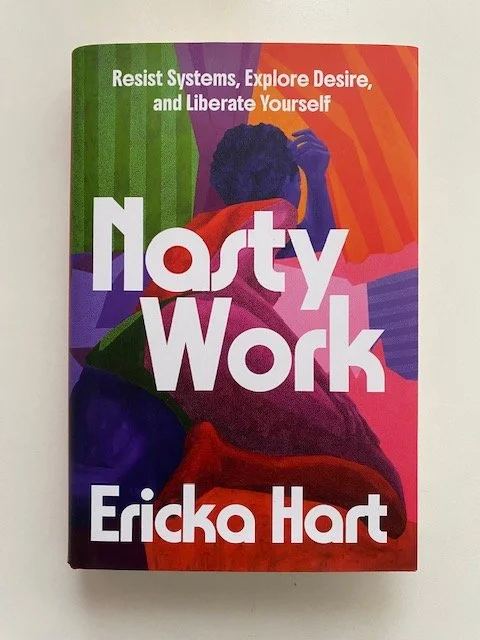
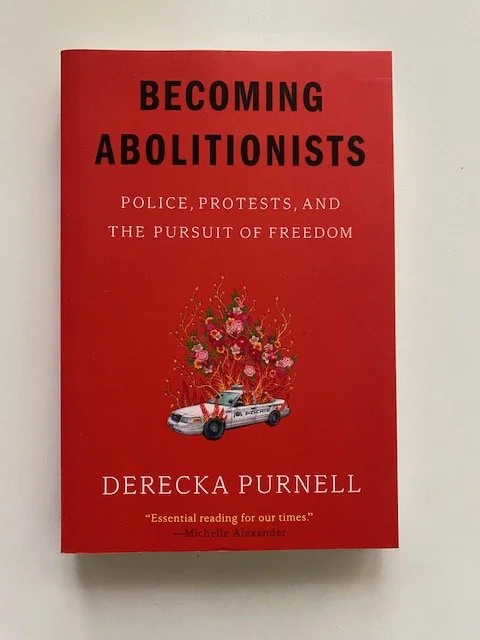
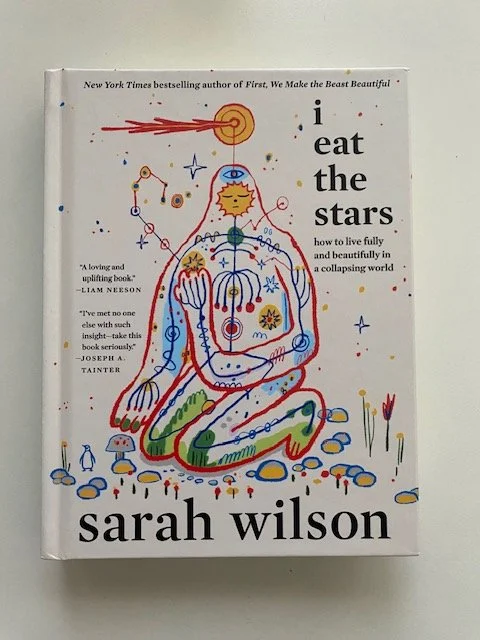
May Jason Arday rest in power.
some thoughts…
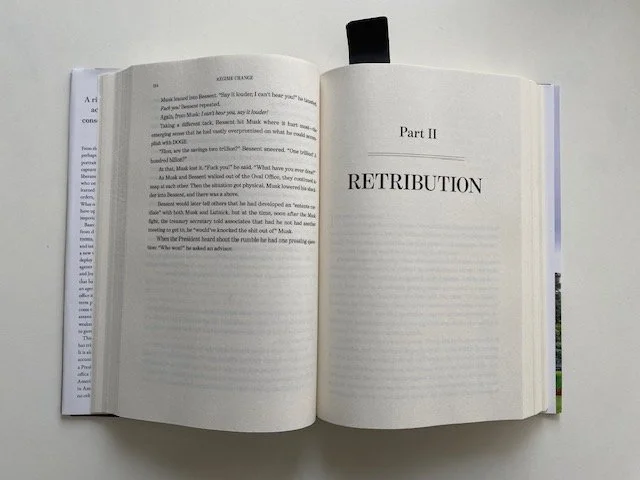
Regime Change | page 125 | Haberman & Swan | 2026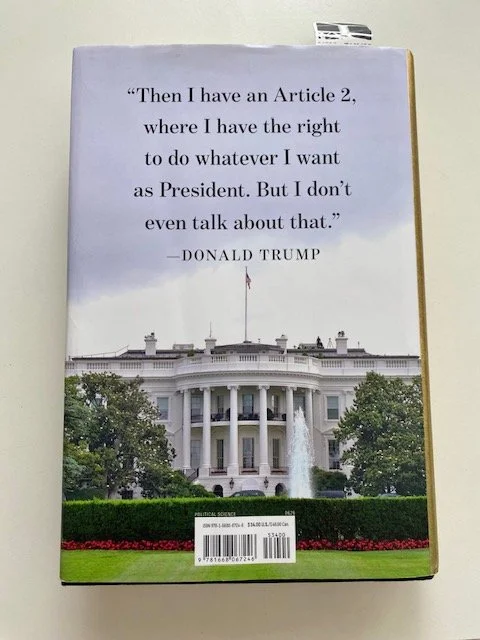
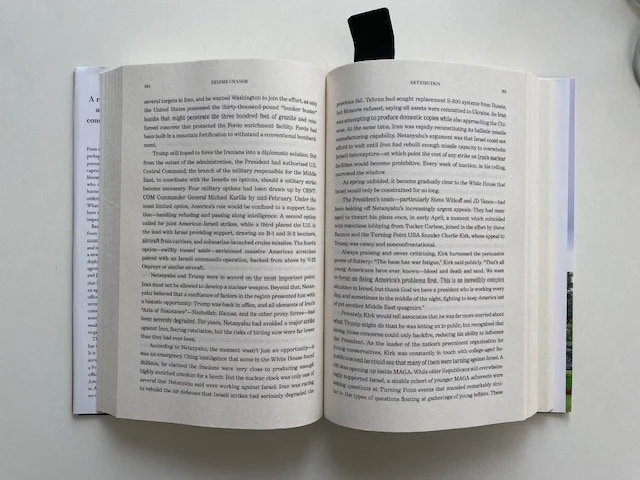
Regime Change | page 184 | Haberman & Swan | 2026simon & schuster | Haberman & Swan | regime change
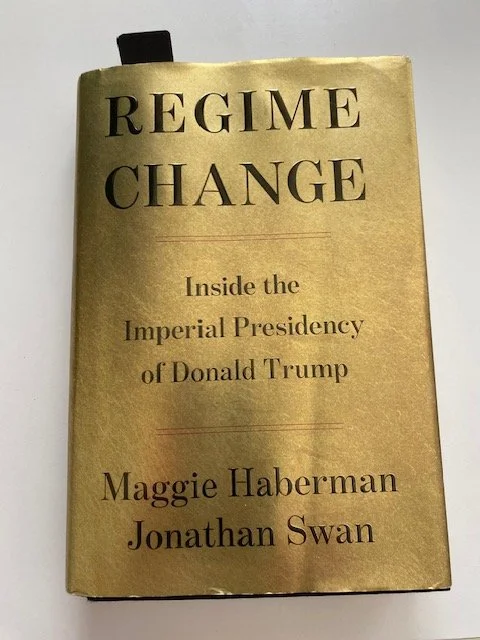
Nearing the end of Regime Change, Inside the Imperial Presidency of Donald Trump by Maggie Haberman and Jonathan Swan. Down to the final 100 pages now. At the moment I am actually resisting picking the book back up, as learning about the machinations of the powers that be and the total lack of moral values of those in this government’s executive branch is that repulsive to me.
This is an important historical document, as it lays out precisely how off the rails this presidency has gone. Thanks to the anonymous sources that shared crucial and confidential information with these journalists, the reader gets an intimate fly-on-the-wall perspective of moments that have been of the utmost importance for the global community. The overlap of personal- or business relationships and government work is an accepted part of Trump’s second presidency.The greed and self-preservation of those that are privileged and in power, is dripping off of the pages.
The content makes me want to quote Susan Powter, whom I haven’t thought of since 1994 but that I used to see on television when I went to university in the United States. The recounting of what goes inside the White House (and at Mar-a-Lago) brought back memories of this bald fitness guru who rose to fame in the 1990s, and was renowned for screaming her catchphrase: “Stop the insanity!”
“The base has war fatigue,” Charlie kirk said publicly. “that’s all young Americans have ever known - blood and death and sand. we want to focus on america’s problems first.”
“Jane, respectfully, shut the fuck up.”
Posted by the White House Communications Director Steven Cheung on X,
in an official government response to the new yorker writer jane mayer.
some thoughts after sensing…
Christine Sun Kim | Echo Trap | 2021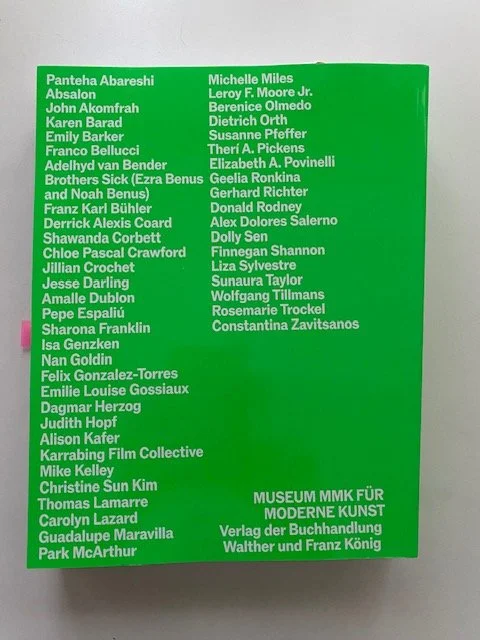
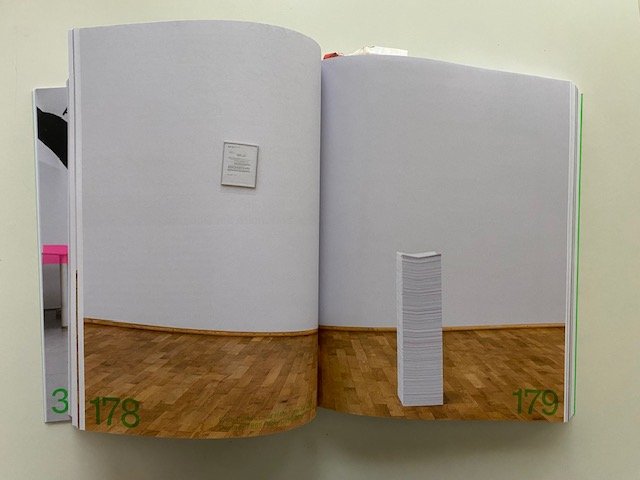
Emily Barker | Death by 7,865 Paper Cuts | 2019MMK | Susanne Pfeffer | crip time
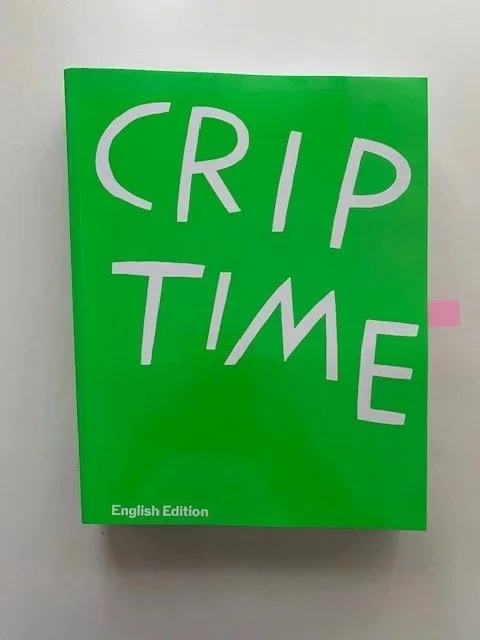
This book was gifted to me by my friend Chris. Out of the blue during a visit, he pulled this hefty volume from his backpack and told me he had bought it during a visit to the museum. I was surprised and felt deeply acknowledged. The gift recognizes the crux of my practice and what engaging with crip artists means to me. A book to keep revisiting every now and then, discovering new aspects.
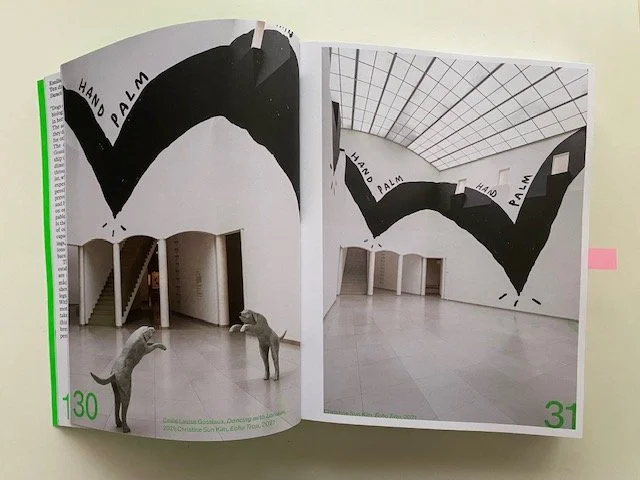
Echo Trap, by Christine Sun Kim unpacks the echo as a metaphor, for both the relationship and the communication between a sign language interpreter and a Deaf person. Sun Kim’s work takes over the entire museum space, bluntly representing the question: what minute layers in communication get lost? Engaging in communication with others, one can be greatly impacted by a loss of nuance, when essential details are lost in translation, it can be felt as an injury. How does one convey in another language, the characteristics of one’s individuality in intelligence, and personality expressed in humor for example - without the interpretor unintentionally distorting what is said?
In episode twelve and thirteen of the podcast, I speak to my friends Yunfan Tian and Raffia Li. These conversations are part of a mini-series of conversations about language and access intimacy. Our exploration is facilitated by the support of interpreters Dim and Aggie Hu. We move radically slow from Dutch, to Mandarin, to English, to written chat messages, spoken language, and back to interpretation as a way of access making. All of us collaborate in tentatively unpacking this topic: how to convey what we need as a human being to gain access? A starting point I had introduced, is that interpretation can never be objective. As such the interpreters are a crucial part of the conversation. Communication always moves through a person’s body, subjectively affecting language by the choices that are made - as part of an interpretation.
Death by 7,865 Paper Cuts (2019) by Emily Barker is a work that deeply touched me when I first saw the images of the installation. The sheer volume of a medical record for a chronically ill or disabled person, sent a shock wave of recognition through my body. I let out a cynical snicker when reading that the pile does not include all of the communications with health care providers, because it would fall over if they had. Emily actually made the work that I have thought of making many times, which is wonderful. And very sad, because of the necessity for this work to exist in the world - to signal the ongoing exclusion of so many people.
Just from the sheer weight of this book, you don’t just ‘read’ it from cover to cover. I noticed I was sensing the pages, taking the time to study images and occasionally reading what the curator wrote about the context of a work or the concept of an artist. The tangible design is something I thoroughly enjoyed.
“In American sign language A rebounding sound - the echo - is signed by touching the fingers of one hand on the upheld palm of the other hand and then gliding the fingers back from the palm in a continuous motion.”
“The artist’s experience with their body
reveals how the spaces that surround us
are geared toward a specific idea about
how or what a person should be - and not toward who people are and what they need."
some thoughts after reading…
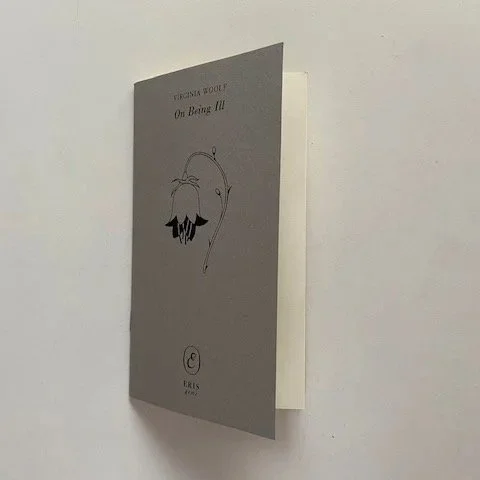
Virginia Woolf | On Being Ill
For beings destined to roam this earth in a body, we spend an astonishing amount of time and energy ignoring our vessel. We tend to idealize the body by embarking on quests to perfect it, while also pretending that our bodies are of no importance as our main focus stays on the mind.
The crux of an embodied experience as a human is to pay attention to the body, in tandem with emotions, spirit and mind. Woolf mentions how the body intervenes; suggesting that there is an imagined or desired status quo that is interrupted when a body presents as ill. She goes on to say that it takes courage, to examine that body in its most vulnerable state. I agree wholeheartedly.
Imagine, all this time has passed since Woolf wrote this text in 1926 and illness or disability as topics in literature are still mostly uncharted territory. There is an uptake of crip authors in whose work one can find a unique perspective on the construct of embodiment society values, though this is a sub-culture that has originated in the English-speaking parts of the world that mainly draws an online following.
Woolf’s finding still holds; when wanting to present clearly what being ill is like, there is “a poverty of the language”. Within the Dutch vocabulary specifically, most words describing illness (or recovery for that matter) have ableist tropes built in. The words commonly used are linking back to either ‘being valid’ - or not.
If there is no language developed, the lived experience cannot be shared and a person seeking care cannot advocate for themselves, or emancipate toward a position of agency in relation to treatment. The position of the sick within the social hierarchical structure is stagnant. An example: doctors are still asking patients to grade their pain, on a scale of one to ten - that is about as much creativity allowed in a doctor’s office. Sure, some people refer to their experience of pain as a throbbing sensation, an intermittent stinging or a building of pressure. Yet, these embodied sensations are so subjective - shouldn’t we have as many descriptions of our bodies hurting as there are people?
With being sick comes a brutal honesty, there is no energy to keep up appearances or continue a fast pace - all aspects of being human slow down drastically. Having stepped off of the ferris wheel of what is considered ‘the norm’, the newfound horizontality offers literally a new perspective that makes the previous ways of moving through the world almost seem ridiculous. Woolf mentions how being immersed in a vocabulary can render us oblivious to what we sound like. Getting acquainted with a new language is a gift of a new meaning making process. Completely supportive of this conclusion.
Virginia Woolf lost me in the second half of the book. Here she supposes rashness to be an attribute of illness, and connects it to both well established literature and a pages-long deep dive into two female characters and their lack of emotional expression. I am curious to learn if that segment surprises me with new insights, when I revisit it some other time.
“He is forced to coin words himself,
taking his pain in one hand and a lump of sound in the other (…),
so to crush them together that a brand new word in the end drops out.”
"…, it becomes strange indeed
that illness has not taken its place
with love, battle, and jealousy
among the prime themes of literature."